Execution and Stratedgy of Dynamic Campaigns
Platform
LinkNYC
Client
Intersection
Role
PM and Designer
Team Size
5
Timeline
12 Months
After 6 months in my product role at Intersection, I began overseeing the execution and strategy of the dynamic campaign production. I was driven to improve the production process that was known to be "annoying" amongst departments and uncover what was leading to burnout in the engineering team. Although this was not a typical UX/UI project, I applied the same process and methodology.
Impact
Helped allieviate engineering workload by 30% after we were impacted by 3 layoffs.
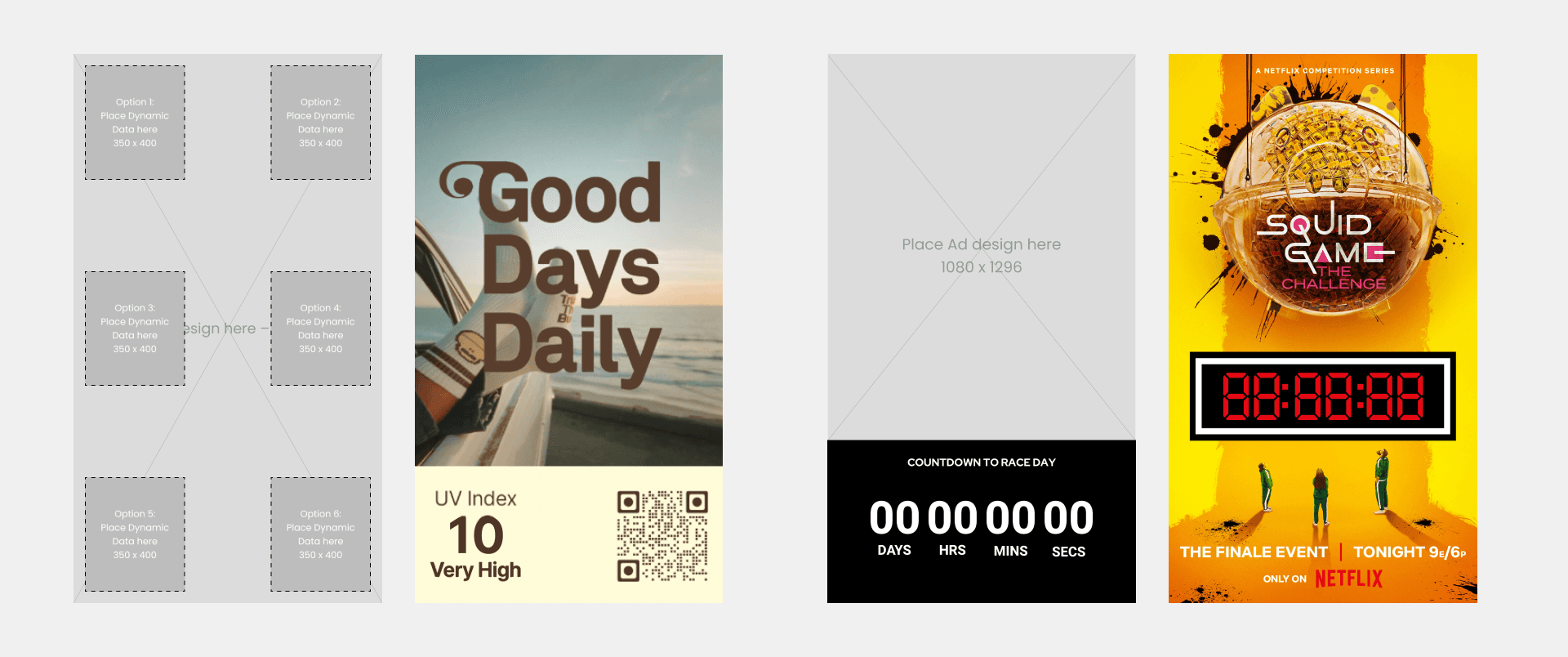
Designed templates for successful campaigns leading to $1.2 million top revenue.


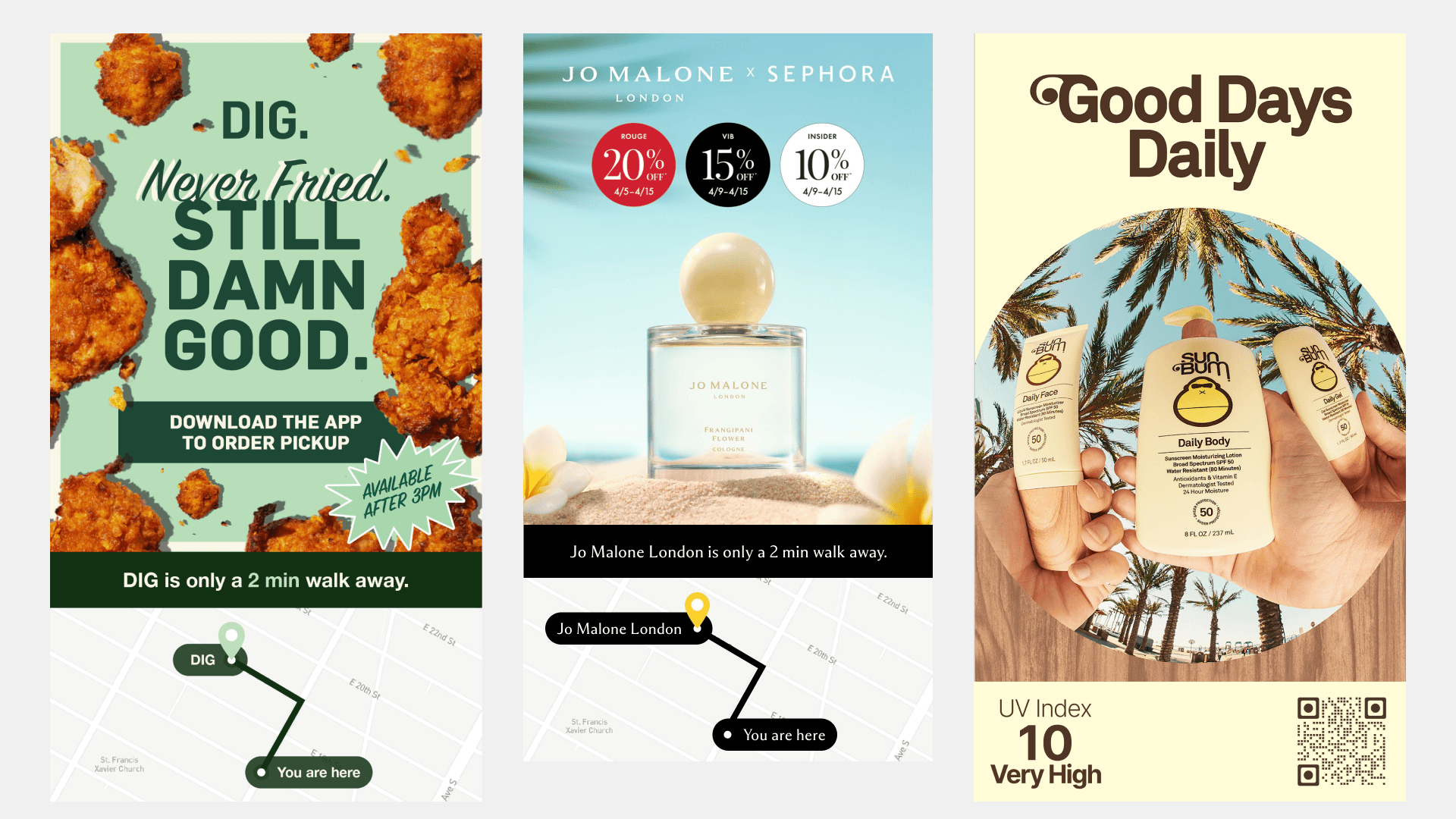
Shipped Campaigns

Problem Statements
Clients struggled to deliver campaign assets correctly because the current templates are nonexistent or overly complicated.
Engineers are facing burn-out due context switching between dynamic campaign development and their other tasks.
Research
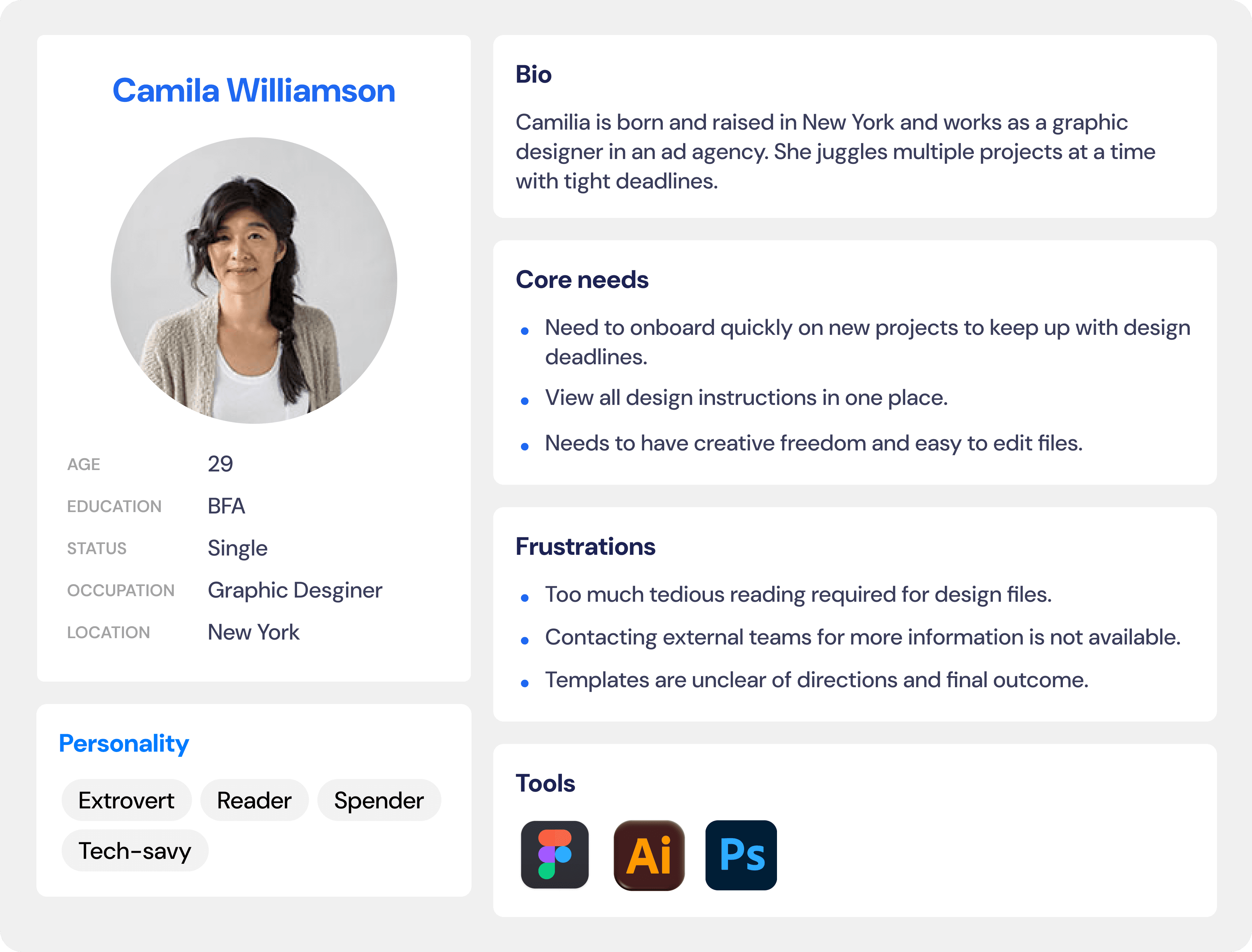
I interviewed 3 members from eng, 2 from sales, and 2 from ad operations for interviews.
Key discoveries
Clients and external designers found our in-house templates difficult to follow.
Products were conceptual stage, leading Engineers to fill in the gaps for unknowns.
The sales team struggled to understand the technical work behind the digital campaigns.
The client's instructions were written with incoherent AI sentences.
Define
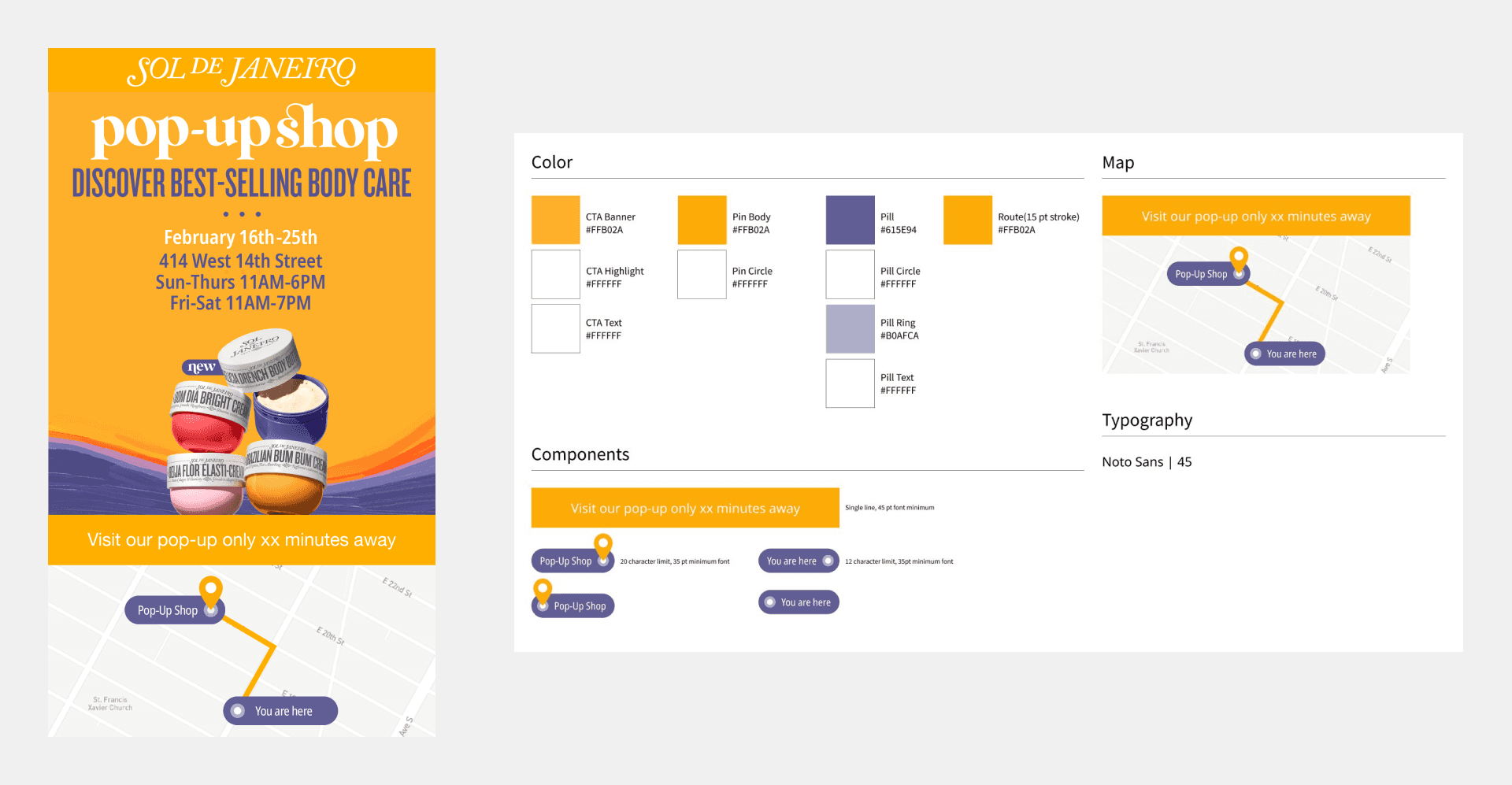
Referencing my past contract work, I looked at examples of what a "successful" design template would look like.
Instructions were step-by-step and brief
Layers were named according to content
Minimal technical constraints
I wanted to design the templates to have a low barrier of understanding – something that a busy external designer or junior designer could easily pick up.
Ideation
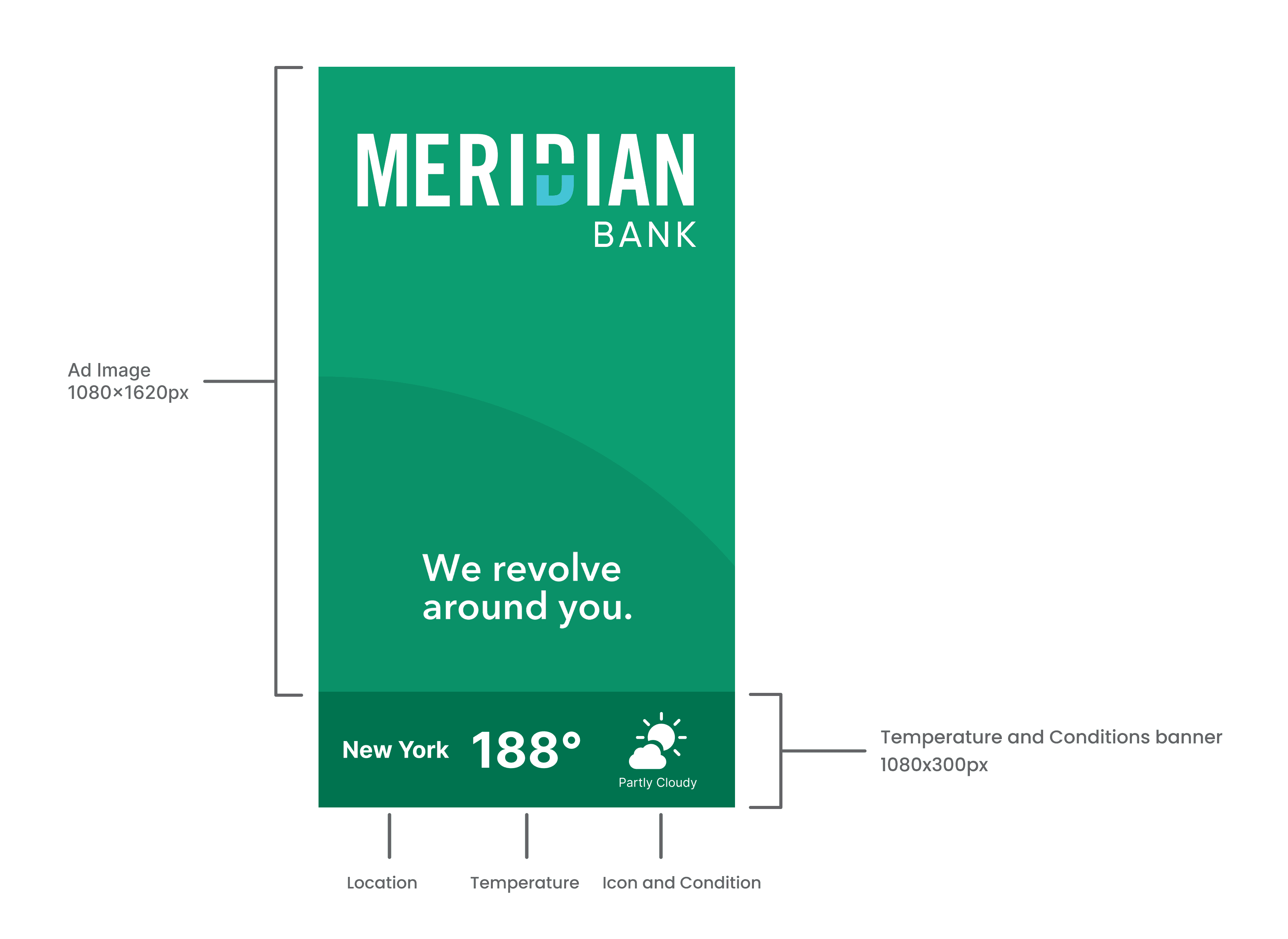
The Most Difficult Campaign
One of the most difficult campaigns I shipped consisted of 3 markets with 2 types layered customizations. I was left in charge of executing this never before done custom design. So I rallied and led a cross-functional team of 6 to execute the task. During production, I noticed hiccups amongst each department relating to communication, and the biggest pain point was the lack of consistent terminology.
The campaign illustrated how important verbal alignment was, and I continued to stress it in future meetings.
Advocating for Change
The word campaign has different meanings amongst the 5 departments. We needed unification and alignment. I heavily pushed for education opportunities for sales, design accountability in the product team, and unified terminology amongst engineering and ad operations.
Office Testing
I tested my first design templates with 5 non-designers at the office. 4 out of 5 successfully completed the template as intended!
Users found picture instructions the most helpful.
Users unfamiliar with hotkeys need clear labels.
Results
Reduced Engineering Burden
Successfully decreased engineering time spent on campaign setup by an estimated 30% by providing clear, actionable templates, reducing context-switching and mitigating burnout risks.
Eng team also gave me a shoutout for cleaning up their workflow.
Improved Template Comprehension
Achieved an 80% success rate in internal testing, with 4 out of 5 non-designers correctly completing the template. This directly addressed the core problem of clients struggling with asset delivery.
Initiating Cross-Functional Alignment
Spearheaded initiatives that created a shared definition of "campaign" across 5 departments, leading to fewer misunderstandings and more efficient project kick-offs.
Learnings
Lack of Consistent Terminology Led to Confusion
Initially, the goal was to fix templates. Through research, I discovered the real issue was a broken system of communication and education. I heavily pushed for education opportunities for sales, design accountability in the product team, and unified terminology amongst engineering and ad operations.
Single Source of Truth Improved Cross Functional Alignment
After creating a shared definition of "campaign" across 5 departments, it led to fewer misunderstandings and more efficient project kick-offs.
Navigating Ambiguity = Confidence in Decisions
This project taught me to own my design decisions when objectives are unclear. During times where a project loses momentum or other stakeholders are stuck in an ideation loop, presenting a visual solution kept the conversations moving.
RELATED PROJECTS

